Diplomatic residence mold guide
2026/10/12

Direct answer: When a damp patch or musty odor is found in a residence occupied by diplomatic staff or leased by a mission, separate the building problem from the household's access and information rules. For active leakage or wet electrical fittings, contact the designated property manager and qualified repair contractor immediately. For recurring odor, suspected concealed dampness or visible growth, arrange an authorized building-side assessment. Before anyone enters or takes photographs, specify the permitted rooms, escort arrangements, report recipients and approval needed for opening finishes. A mold contractor cannot infer legal responsibility, diplomatic status or security clearance from the address.
This guide addresses a narrow, practical search intent. A household connected to a foreign mission in Tokyo, a Kanagawa residence managed on behalf of international staff, or a premium home in Chiba may need an English-language technical explanation, yet the management structure can differ substantially. Some homes are rented privately, some are supplied by an employer, and others may be owned or leased by a mission. The article does not assert that Kabi Busters Yokohama has served any diplomatic mission, is security-accredited, or can enter restricted premises. It explains how the authorized contact can prepare a safe, limited inquiry and find the right building professionals.
Search results often provide separate pieces of this problem. The US EPA guide to mold and moisture in homes puts water-source control first. The UK government's damp-and-mold housing guidance discusses the need for inspection and underlying-cause repair, but its tenancy rules apply to England, not Japan. The Japanese Ministry of Land, Infrastructure, Transport and Tourism's multilingual rental-housing resources help foreign residents understand ordinary Japanese rental processes. Search rankings vary with time and location. None of these sources determines the access protocol of a particular residence; the authorized household or mission representative must supply that.
1. Distinguish urgent building hazards from routine mold questions
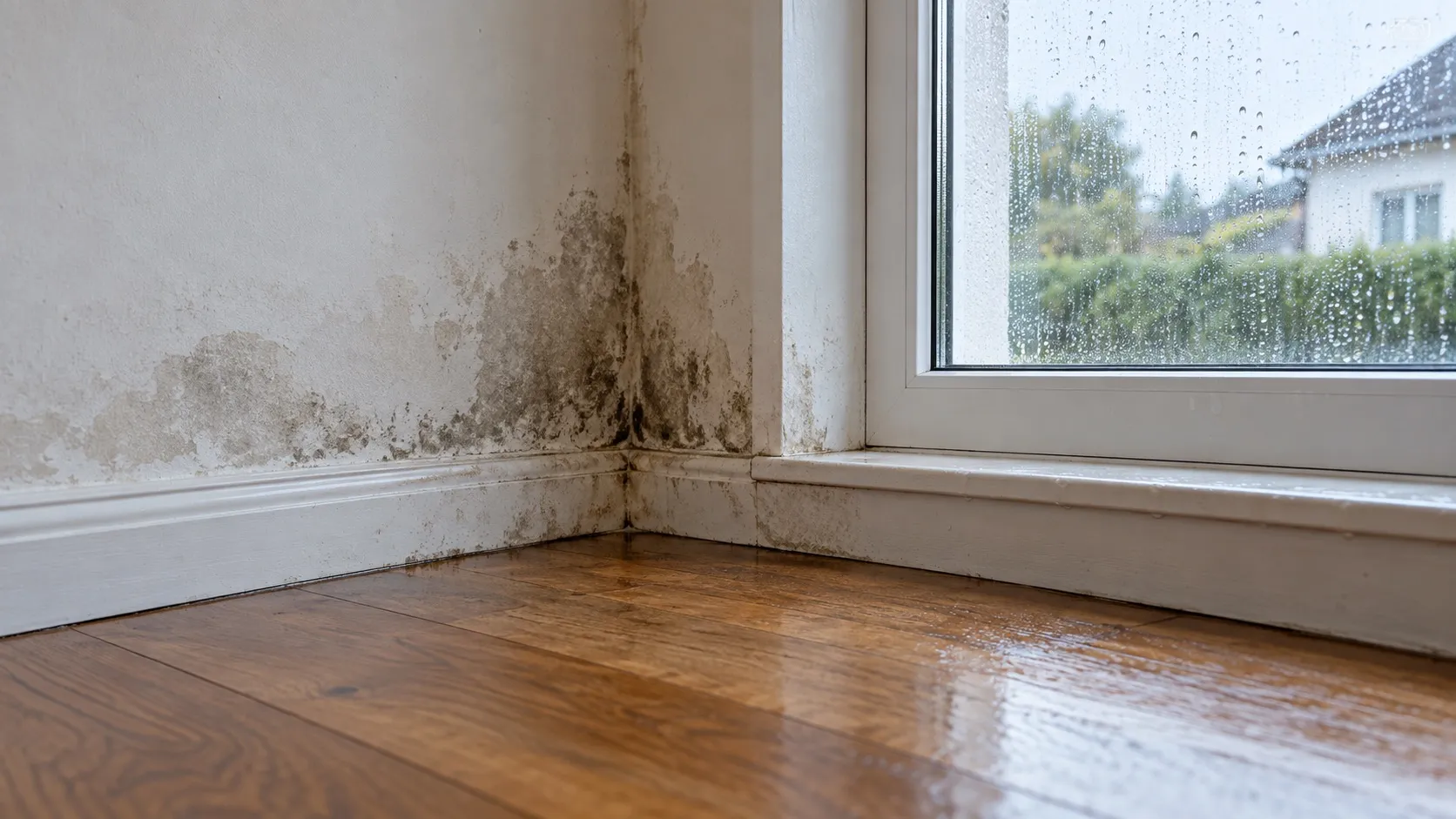
An active leak, electrical equipment touched by water, a sagging ceiling or a slippery floor needs immediate action through the building's emergency contact. Keep occupants away from the hazard. The first task is to stop or isolate water and establish safety, not to photograph every possession or spray a stain. If the source is a pipe, roof, window or neighboring unit, the property manager may need to coordinate a plumber or building-envelope contractor. The mold assessment can follow once the immediate source is controlled, or proceed alongside the repair when documentation is needed.
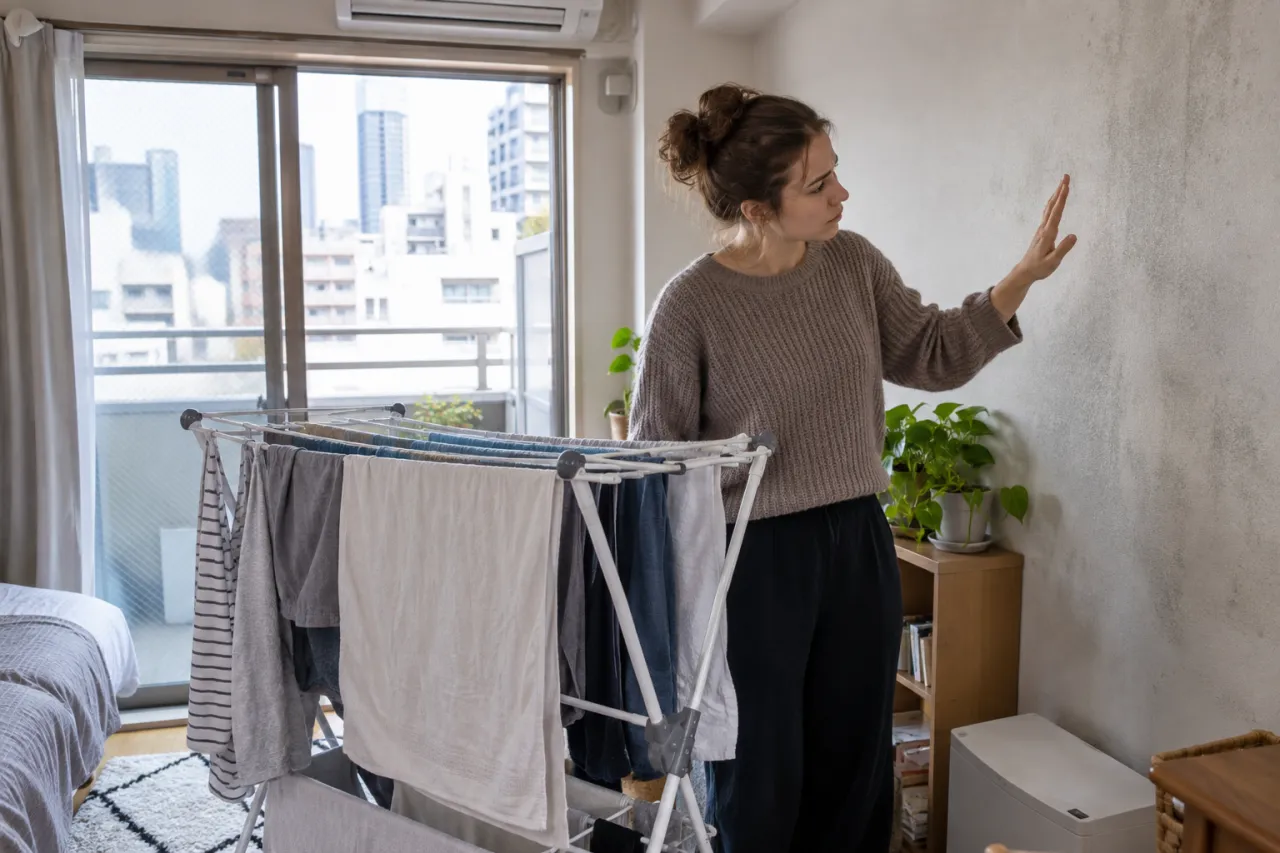
For a non-emergency concern, make a short symptom log: affected room and surface, when the odor or mark was first noticed, whether it follows rainfall or HVAC use, and whether it is spreading. A general description such as “west guest-bedroom exterior wall” is usually sufficient for an initial inquiry; there is no reason to publish a residence address or photographs of unrelated household details. Use full-room and close-up images only if the authorized contact approves. A dark patch may reflect finish aging, dirt, condensation or mold, so avoid a definitive diagnosis from a single image.
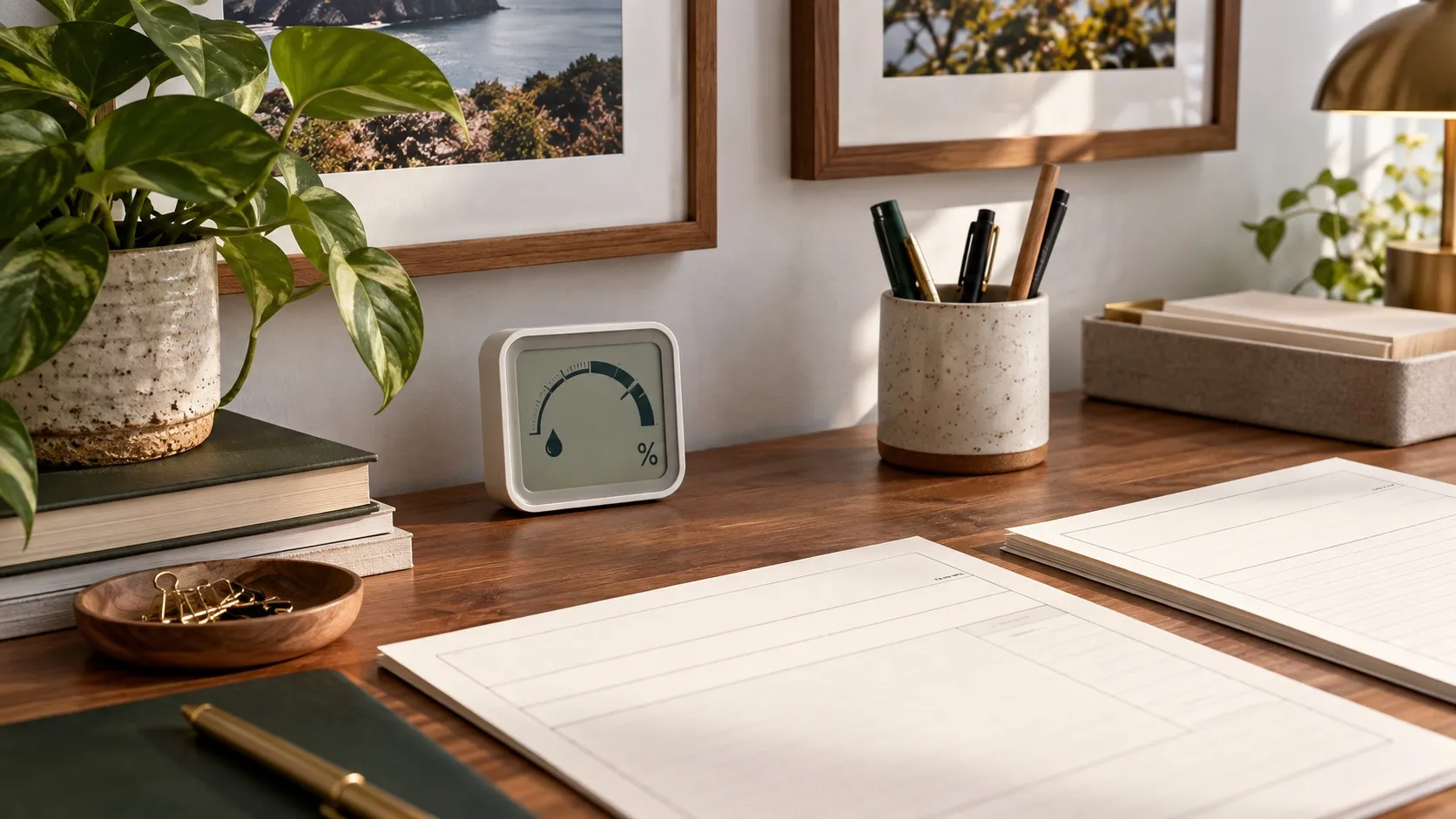
The EPA's homeowner guidance explains that moisture control underlies mold control, and it recommends prompt attention to leaks. It also provides a general indoor relative-humidity goal below 60 percent where possible. A reading in the center of a room cannot rule out water behind a bookcase, inside a wall or near a cold window. If the household has concerns about symptoms, recommend a medical professional for individual health assessment; a building contractor should not diagnose illness. If occupants are vulnerable or extensive water damage is present, ask the authorized manager to discuss occupancy and access while the investigation is arranged.
2. Agree on entry, escorts, photographs and data handling before the visit
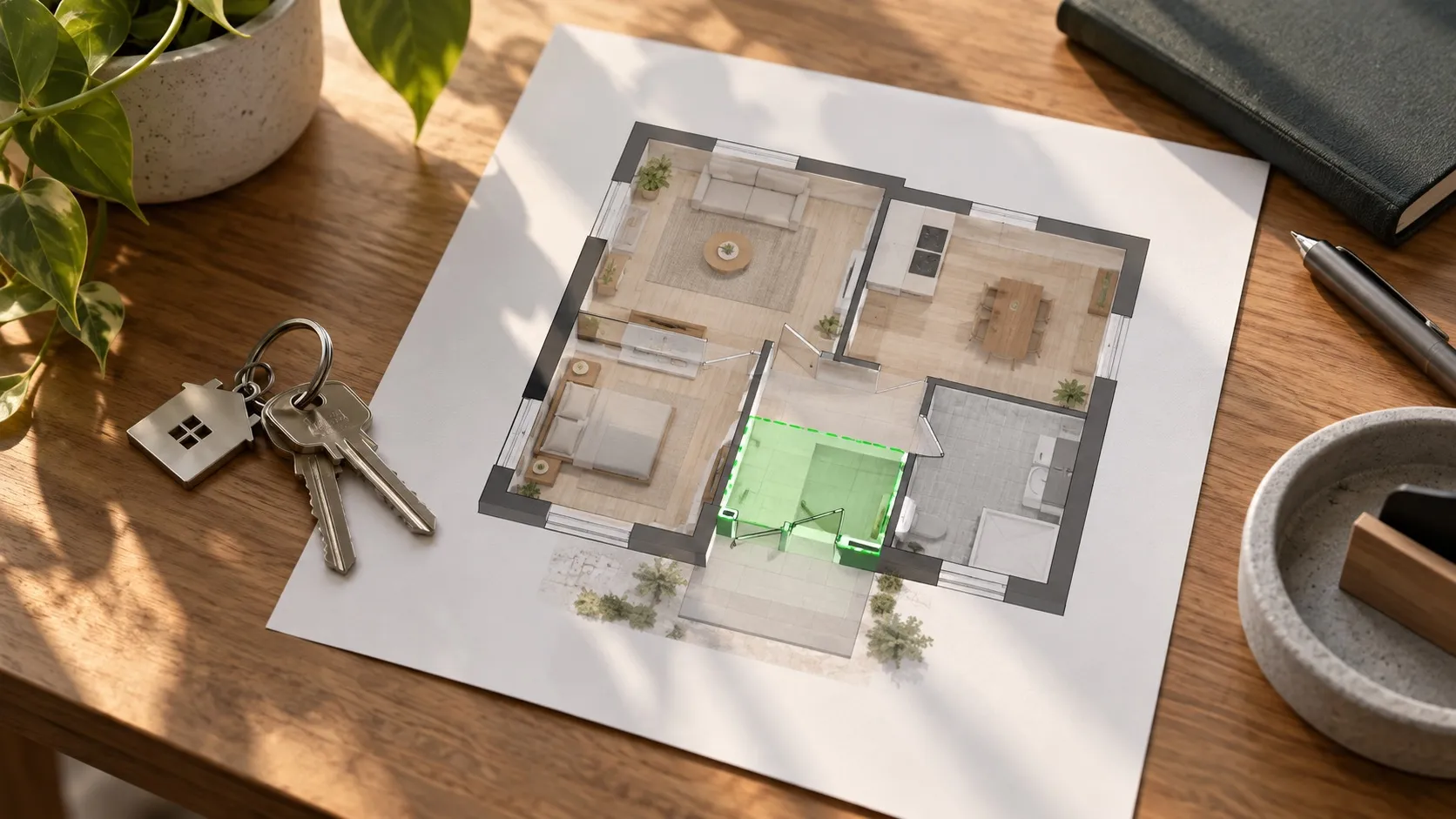
The authorized contact should decide which rooms may be entered, who opens the property, whether an escort stays with the team, what equipment may be brought in and where tools can be placed. The scope should state whether the visit is a visual assessment, moisture survey, sampling for a specific question, or intrusive investigation. Do not assume that a “quick look” allows removal of a wall panel, movement of valuable objects or photography of workspaces. A written boundary protects both the household and the contractor.
Photographs can be valuable evidence, but they may reveal floor plans, security devices, documents, family photographs, art and schedules. Capture the building element needed to explain the water route, not a complete inventory of the home. Store original records in an agreed location and send the smallest useful set to named recipients. A report can use room codes rather than personally identifying labels, while the manager keeps a separate key to those codes. Any special confidentiality, identification, escort or device rules must come from the household, mission and property owner; a contractor should confirm whether it can comply before the appointment, not promise special accreditation it does not have.
The Japanese Foreign Ministry's information about residence certificates for members of foreign missions shows that staff quarters may be owned or leased by a mission, but that administrative page does not set mold-inspection rules. The actual lease, building rules and mission policy decide who can authorize access and repairs. Equally, the MLIT multilingual rental guidance assists with ordinary rental processes but does not override a specific contract. Treat this as a coordination issue, not an invitation to give legal advice from a blog post.
If a photograph or sample might need to leave the premises, agree on the destination and retention arrangements. Some investigations do not need a biological sample at all: where mold-like growth is visible and a leak is known, tracing the moisture and affected materials may be more useful than identifying a species. If sampling has a defined purpose, the specialist should explain what question it answers and what it cannot prove. A negative result from one location cannot certify the whole residence. Information minimization is compatible with a technically useful report when observations, locations and uncertainty are clearly documented.
3. Trace the water route and record findings without overclaiming
Work from the building system outward. Was there rain at an exterior wall, a roof or balcony above? Are supply pipes or drains nearby? Did a cooling system's drain pan overflow? Is condensation appearing on a cold wall or pipe when humid air moves through the room? Compare dated maintenance records, photographs and current observations. The EPA's chapter on finding hidden mold notes that leaks and concealed surfaces such as wall backing or carpeting can matter, and that limited investigative tools may be appropriate. It does not mean every odor requires demolition.
The investigator should distinguish what is observed from what is inferred. “The lower skirting was damp at 10:00 after rain” is an observation. “The facade joint has failed” is a hypothesis until the building-envelope contractor checks it. Moisture meters respond differently to timber, stone and gypsum board, and metal behind a surface can affect a reading. Record instrument type, surface, time and location rather than presenting a single number as a verdict. The written report should note inaccessible areas and the limitations of any non-invasive method.
If opening a finished surface is needed, obtain approval for the location, size, protective measures, who may handle furnishings, and how the finish will be restored. The building manager should coordinate any landlord or mission approval. A mold specialist can evaluate whether building materials are affected; a plumber, roofer, facade contractor or HVAC maintainer must repair the source within their field; a finish contractor restores the appearance. If art or archival material may be affected, consult a conservator separately. No single contractor should promise that all valuables will be restored without inspection of the actual items.
| Finding | Immediate lead | Possible next specialist | Limit to remember |
|---|---|---|---|
| Active leak or wet electrical fitting | Authorized manager and repair contractor | Mold specialist after source control | Do not continue routine occupancy of an unsafe area |
| Odor after HVAC starts | HVAC maintainer | Mold specialist if building material impact is suspected | Odor alone does not locate the growth |
| Damp stain after rain | Building-envelope contractor | Mold specialist for affected interior material | A stain is not proof of its entry point |
| Growth-like mark behind furnishings | Manager and mold specialist | Finish contractor or conservator if needed | Photograph does not identify species |
| Valuable collection near moisture | Owner's designated handler | Qualified conservator | Building cleaning is not object conservation |
After repair, verify that the affected assembly has dried sufficiently under a method appropriate to its materials before closing it. Compare the same locations and operating conditions, including HVAC use if that was associated with the symptom. Do not call a residence “mold-free” because a surface looks clean or one test is negative. The EPA's explanation of whether a home has a mold problem emphasizes controlling the water problem; spores cannot be eliminated entirely from ordinary indoor air. A sensible completion note records the source repair, affected material decision, finish reinstatement and any unresolved uncertainty.
4. English-language handover, consultation threshold and FAQ
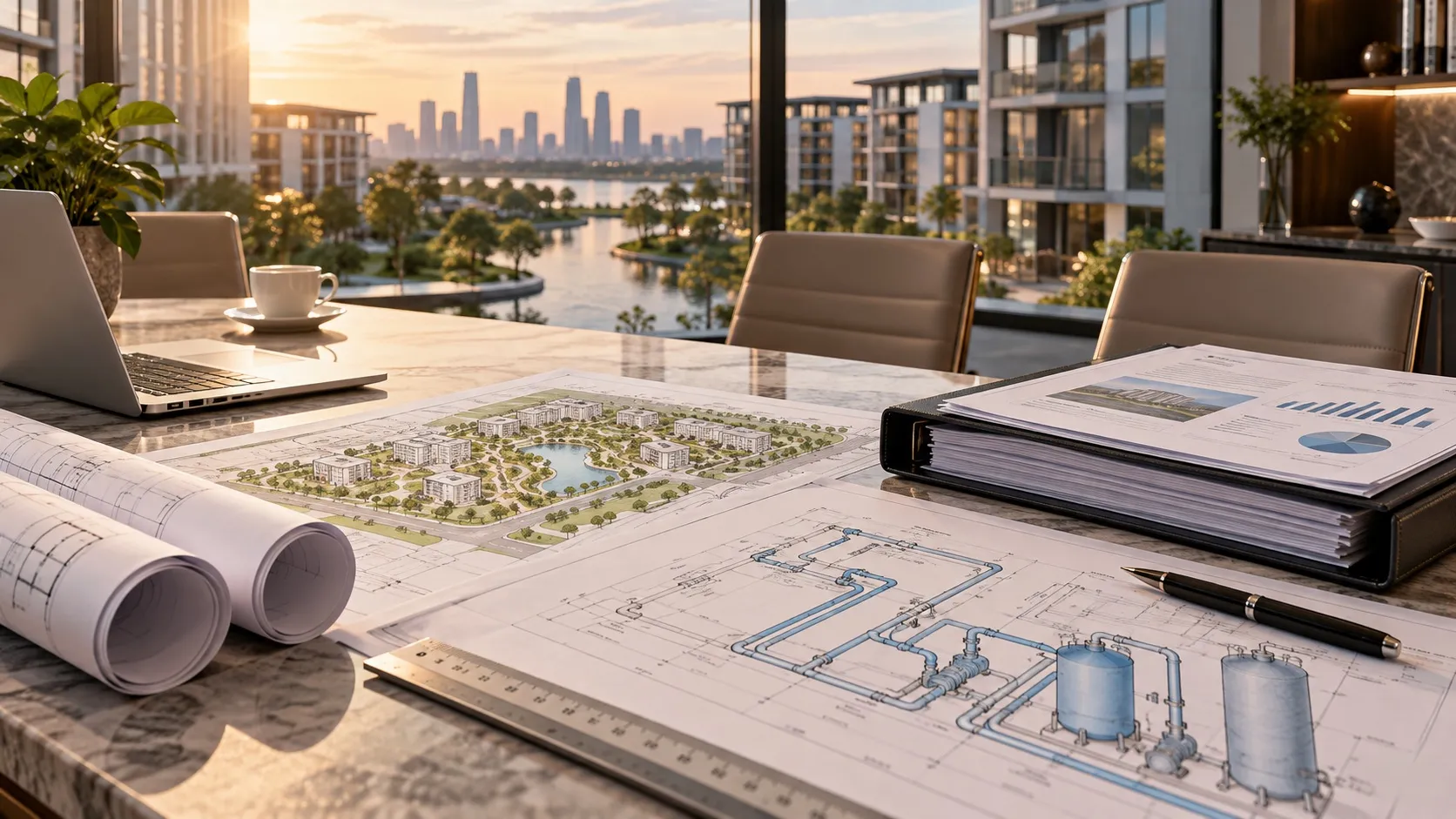
The useful English report is short enough for an authorized representative to act on, with a technical appendix available to the building team. It should state the approved rooms, date and personnel, the observations, likely water routes requiring confirmation, actions taken, remaining risk and the person responsible for each next step. If a Japanese contractor's report is translated, the technical author should verify key terms such as “condensation,” “leak,” “surface staining,” “damp backing” and “suspected microbial growth.” Do not turn a tentative finding into a categorical safety claim in translation.
Call the property manager first for leaks, access, ownership boundaries and approval. Call an HVAC or plumbing specialist for equipment faults. Request a mold specialist when growth or odor persists, hidden dampness is plausible or several building materials may be affected. Bring in a conservator for valuable objects, and a medical professional for personal symptoms. The services should be scoped rather than bundled into a vague promise. A request to Kabi Busters Yokohama should disclose only the broad location in Tokyo, Kanagawa or Chiba, the affected building area and symptoms until a secure process is agreed; do not include security plans, personal IDs or private documents in a general inquiry.
FAQ: Does diplomatic status change how mold grows? No. Moisture and materials determine the building problem. Access, authorization and information handling may differ, and the household must state its rules.
FAQ: Can a contractor guarantee confidentiality or security clearance? Do not assume it. Ask what arrangements are available, provide the required conditions in advance, and confirm suitability before sharing sensitive information or booking a visit.
FAQ: Should we send a full set of interior photographs? Usually not for the first contact. Start with cropped images of the affected building element, date and room code, subject to the authorized contact's approval.
FAQ: Is a single air sample enough to certify the residence? No. Sampling only answers a defined question at particular times and locations. Water history and building conditions remain central.
FAQ: Who pays for the repair in a mission-leased home? This depends on the lease, building rules and cause. The technical report can describe conditions; it does not decide contractual responsibility.
FAQ: What if the owner or mission representative is abroad? Identify a local person with written authority for entry, emergency work, spending and approval of intrusive inspection. Keep decisions in a dated log.
For a discreet initial discussion of a building-side moisture or mold concern, read Kabi Busters Yokohama's service information and contact the team with a limited English description of the affected area. Availability, language of the actual site visit, access conditions and reporting format should be confirmed before work is agreed. For an active leak or electrical hazard, use the property's emergency management contact first.
日本語の要点: 外交関係者や公館が借りる住宅でも、カビ対策は水分源の確認と修理が基本です。入室区域、立会い、写真撮影、報告先、壁の開口の承認を先に決めてください。管理会社は漏水と建物側の調整、設備業者は配管・空調の修理、カビ専門業者は建材の影響、保存修復家は貴重品を担当します。外交上の資格や機密対応を業者が当然に備えると決めつけず、訪問前に条件を確認します。
----------------------------------------------------------------------
カビバスターズ横浜
住所 :
〒221-0056
神奈川県横浜市神奈川区金港町5-14 クアドリフォリオ8階
電話番号 :
0120-133-199
----------------------------------------------------------------------