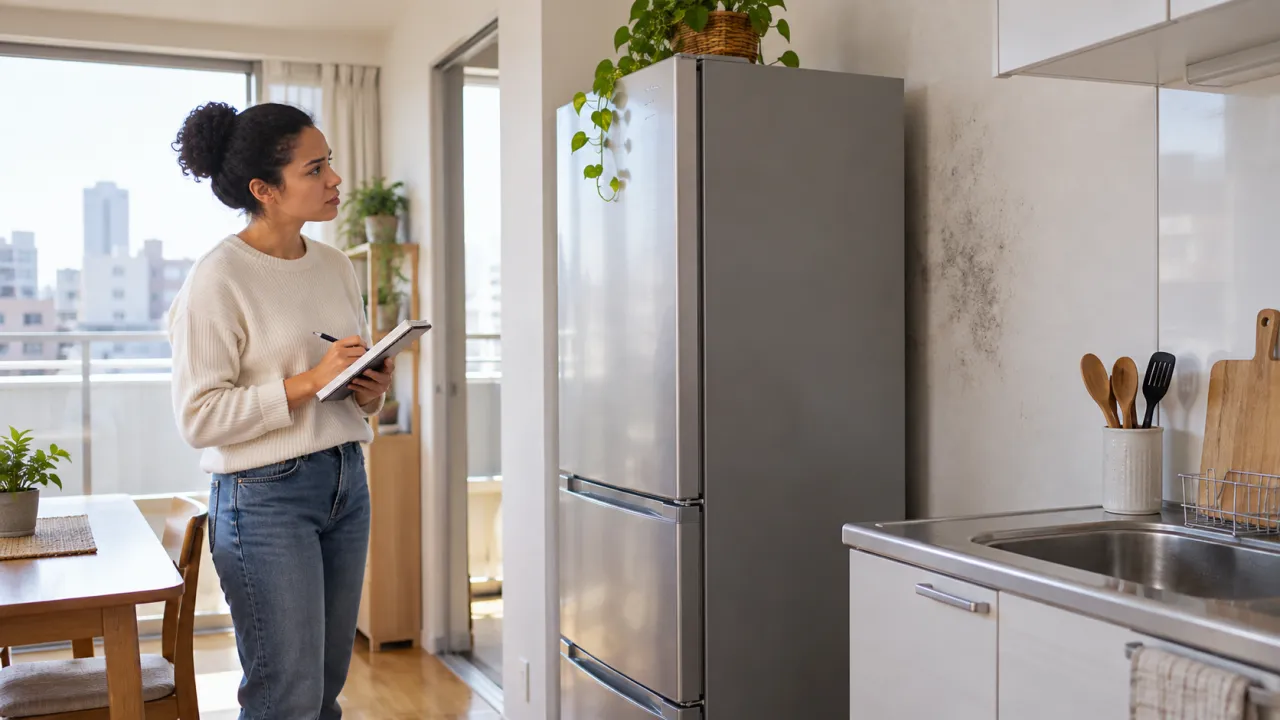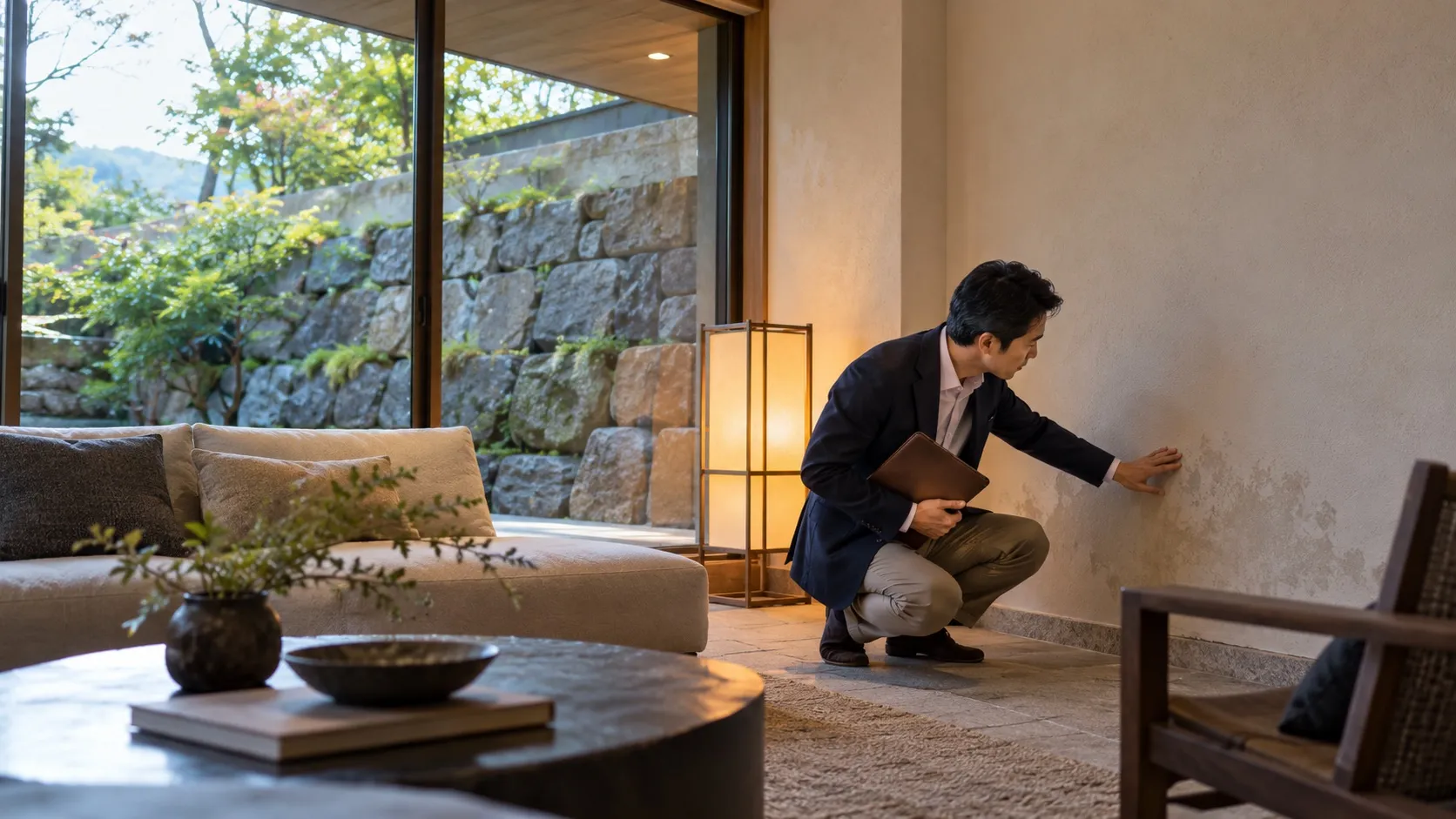
Estate manager mold protocol
2026/10/19

Direct answer: A multi-property estate manager needs one repeatable incident protocol, not one cleaning product for every musty room. Record the property and exact affected building area; triage active water, electrical and structural danger; protect occupants and possessions; arrange the correct source-repair trade; commission building-side mold assessment when warranted; document what was inspected, repaired and left unresolved; and give the overseas owner a concise decision report. Keep each property's evidence and access permissions separate. Never allow a “cleaned” surface, an air sample or a generic certificate to substitute for moisture-source control. The protocol below is a management workflow for private residences, not a claim that Kabi Busters Yokohama provides every engineering, legal, health or conservation service.
An international family may use a Tokyo apartment, a Kanagawa primary residence and a Chiba coastal villa in different seasons. The same estate manager or family office may receive reports from housekeepers, caretakers, security staff, tenants and contractors, sometimes in Japanese and sometimes in English. One report may concern a dripping pipe; another, a stale odor after months away; another, an HVAC start-up smell. Treating all three as “mold jobs” loses the essential source and safety distinctions. A common workflow helps the manager communicate quickly, but the investigation must remain property-specific. This article is about portfolio-level governance and handoffs, not a duplicate of a guide to any one room, wall or fixture.
Three primary sources anchor the comparison. The US EPA's mold-remediation guide for schools and commercial buildings, chapter 3 sets out a sequence for selecting a remediation manager, identifying water cause, planning, communicating and checking for recurrence. Although written for larger buildings, its management logic can inform a private estate; its work thresholds are not automatic rules for Japanese homes. The EPA's remediation checklist offers a close-out prompt. The CDC/NIOSH guidance on mold testing and remediation emphasizes visual and moisture investigation over routine air testing. Their search purposes differ: process, verification and evidence quality. None ranks a particular contractor or remotely diagnoses a residence. This protocol applies those ideas cautiously to the private-home context.
1. Establish a single intake and safety triage without losing property-level detail
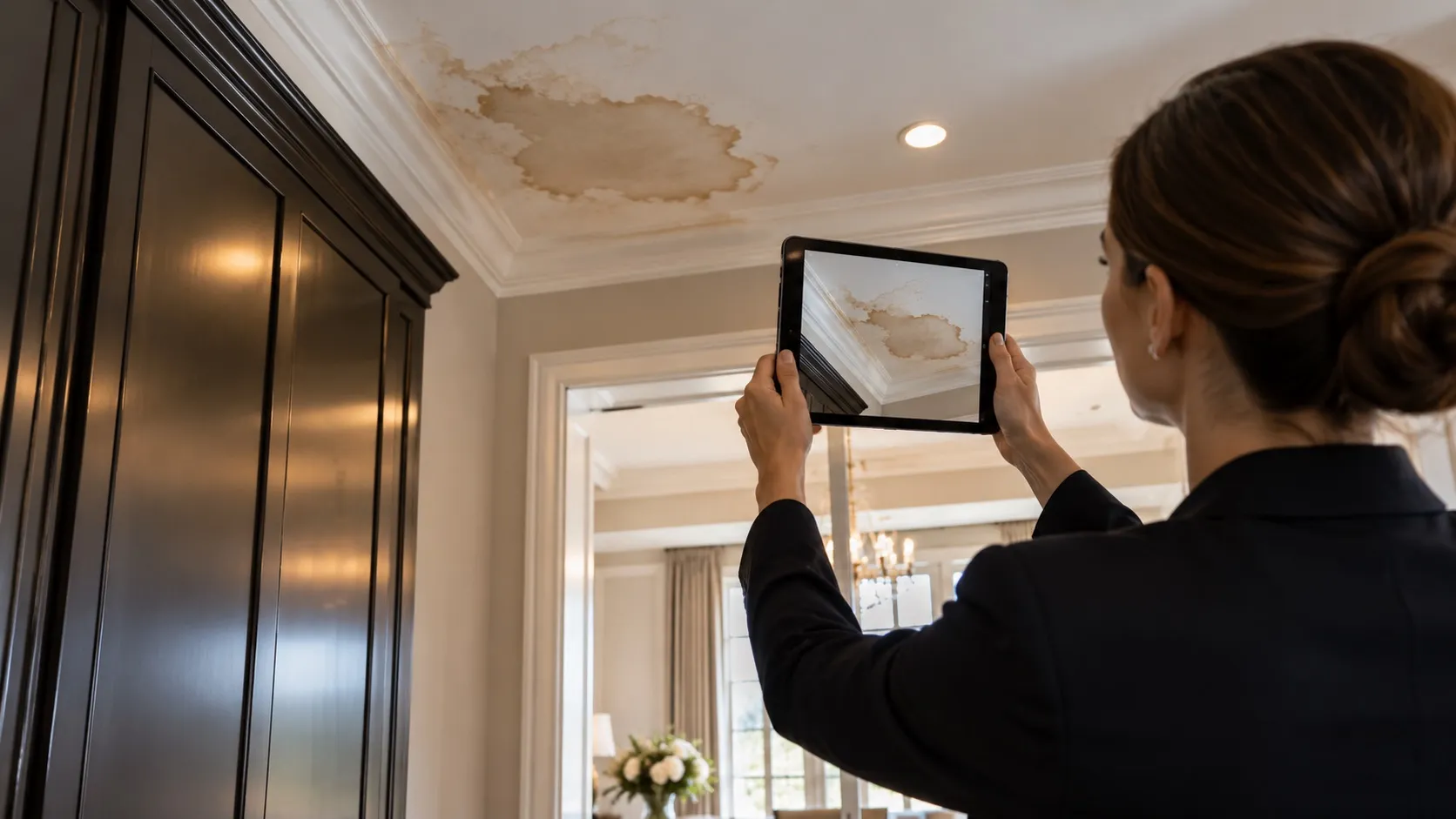
The intake form should capture a case ID, property identifier, municipality, reporter, room, building element, time of discovery, whether water is active, the earliest known occurrence, recent rain or plumbing/HVAC work, odor pattern, photographs and immediate safety observations. Use codes in broad communications rather than full addresses, access instructions, guest names or collection values. The manager should ask whether electricity, ceiling stability, sewage, visible wall movement or symptoms requiring medical help create an urgent issue. Those call for the property's emergency process and the appropriate professionals, not a routine mold appointment. Never send an untrained housekeeper into a flooded plant room or unstable wall cavity merely to obtain a better photo.
If the report is not an emergency, distinguish water present now from a dry-looking historical mark. A dripping pipe needs a plumber and source shutoff; rain-linked staining may need roofing, facade, window or drainage expertise; AC-linked odor may need the HVAC technician. A mold specialist is useful where visible growth-like material, persistent dampness, recurrent odor or affected building materials warrant assessment, but source repair may still belong to another trade. The EPA's key-steps guidance begins with identifying moisture and planning appropriate personnel. It does not support a universal “spray every room” response. Assign a case owner who can authorize access and hold the timeline.
The family office should agree in advance who can approve emergency water shutoff, who can authorize destructive opening, how much may be spent without owner approval and how guest use will be paused. Those are internal governance decisions, not legal advice. For leased properties, the manager should follow lease and building-notice procedures, preserve evidence and avoid asserting fault before a cause is established. For an unoccupied villa, the caretaker should know how to report during bad weather without waiting for the owner's timezone. For a diplomatic or otherwise sensitive residence, access and photo restrictions should be explicit before outside personnel arrive. The same intake structure serves all properties, but permissions must not be copied blindly across them.
To help an overseas owner act quickly, the first message can fit one screen: “Location: Kanagawa lounge wall. Observation: wet mark first noted at 09:00 after overnight rain; no active dripping or electrical hazard observed from safe position. Action: guest use paused; engineer/drainage inspection requested; no finish removed. Decision needed: approval for initial non-destructive inspection by date.” This is an observation report, not a diagnosis. If the picture changes—new leak, spreading stain, wall movement—send a new dated update. Resist combining reports from separate homes into one vague statement that “the portfolio has mold.”
2. Commission the right sequence and keep professional roles explicit
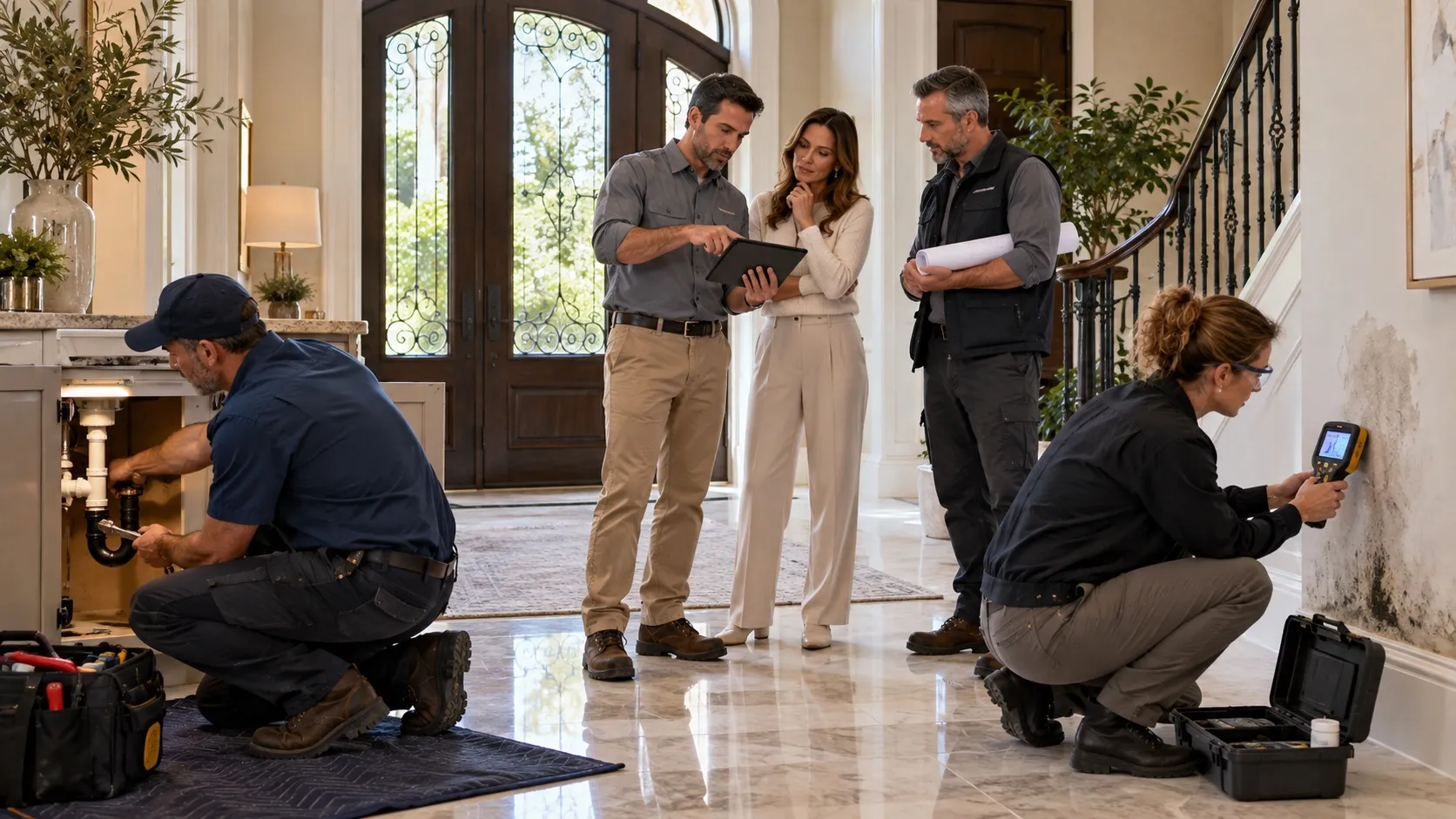
At each property, ask the lead professional to define the affected zone and likely water routes. The sequence may include immediate source control, moisture mapping, limited opening, repair, assessment of affected materials, remediation and drying, then reinstatement. It should not assume remediation must always precede source repair or that full decorative reinstatement can begin before an intermittent leak has been tested. EPA chapter 3 highlights planning before work and changing the plan if hidden mold is discovered. That is especially relevant behind bespoke panels, built-in cabinetry and premium wallcoverings: the scope can grow as evidence emerges, so set an approval checkpoint before widening opening.
The estate manager coordinates but does not become the engineer, clinician or conservator. A plumber repairs pipes; a roof, facade or drainage specialist addresses exterior water; an HVAC professional assesses equipment and airflow; a structural or geotechnical engineer evaluates movement or retaining-wall safety; a mold specialist assesses contaminated building materials and safe remediation scope. A qualified conservator should direct treatment of artworks and collections. The manager may appoint a lead contractor to coordinate, but reports should still identify the discipline responsible for each conclusion. “Building is now mold-free” is a different and usually untestable claim from “the inspected wall material was addressed after a pipe repair.”
Before work begins, agree on containment, occupant protection, waste route, protection of valuable finishes, temporary room closure, shared HVAC considerations and how photographs will be taken. The EPA large-building guide can guide questions but should be adapted by qualified professionals to the actual residence and local requirements. Do not lift a numerical area threshold or US work practice out of context and declare it a Japanese legal standard. The contractor should explain the plan in plain English and, where needed, Japanese so the owner and local trades understand the same scope. If an insurer is involved, the owner or broker can specify documentation; the mold contractor should not promise coverage.
| Case signal | First response | Specialist handoff | Owner-facing decision |
|---|---|---|---|
| Active pipe water near electrics | Restrict access and use emergency process | Plumber and electrical professional; building assessment after safety | Approve source control and alternative room |
| Rain-linked wall stain | Record date, location and rain relationship | Envelope, roof or drainage specialist; mold specialist for affected material | Approve investigation/opening scope |
| Odor only when HVAC starts | Record equipment zone and operation | HVAC professional; mold specialist if contamination suspected | Decide on room use and system operation with advice |
| Growth-like material on wall | Limit disturbance and isolate area as appropriate | Building moisture and mold specialist plus repair trade | Approve material scope, not just a cosmetic clean |
| Staining near art or antiques | Protect from water without unapproved handling | Conservator or object specialist and building team | Authorize separate object and building assessments |
| Retaining-wall movement | Keep people clear | Structural/geotechnical expert and relevant authority | Decide safety and access before mold work |
An estate-wide vendor list should name each discipline, not a single “mold company does everything.” Store coverage areas, emergency hours, language capability and reporting format only after confirming them with the provider. Do not claim that Kabi Busters Yokohama guarantees service across every municipality in Tokyo, Kanagawa and Chiba; ask its team about the location and scope. The manager can use one standard question set for proposed work: What did you observe? What source is confirmed versus suspected? Which material and room are included? What remains inaccessible? Who fixes the water cause? What will make you expand or stop the work? What written evidence will we receive? These questions help compare bids without reducing quality to the cheapest treatment price.
3. Keep records useful for decisions, privacy and recurrence review
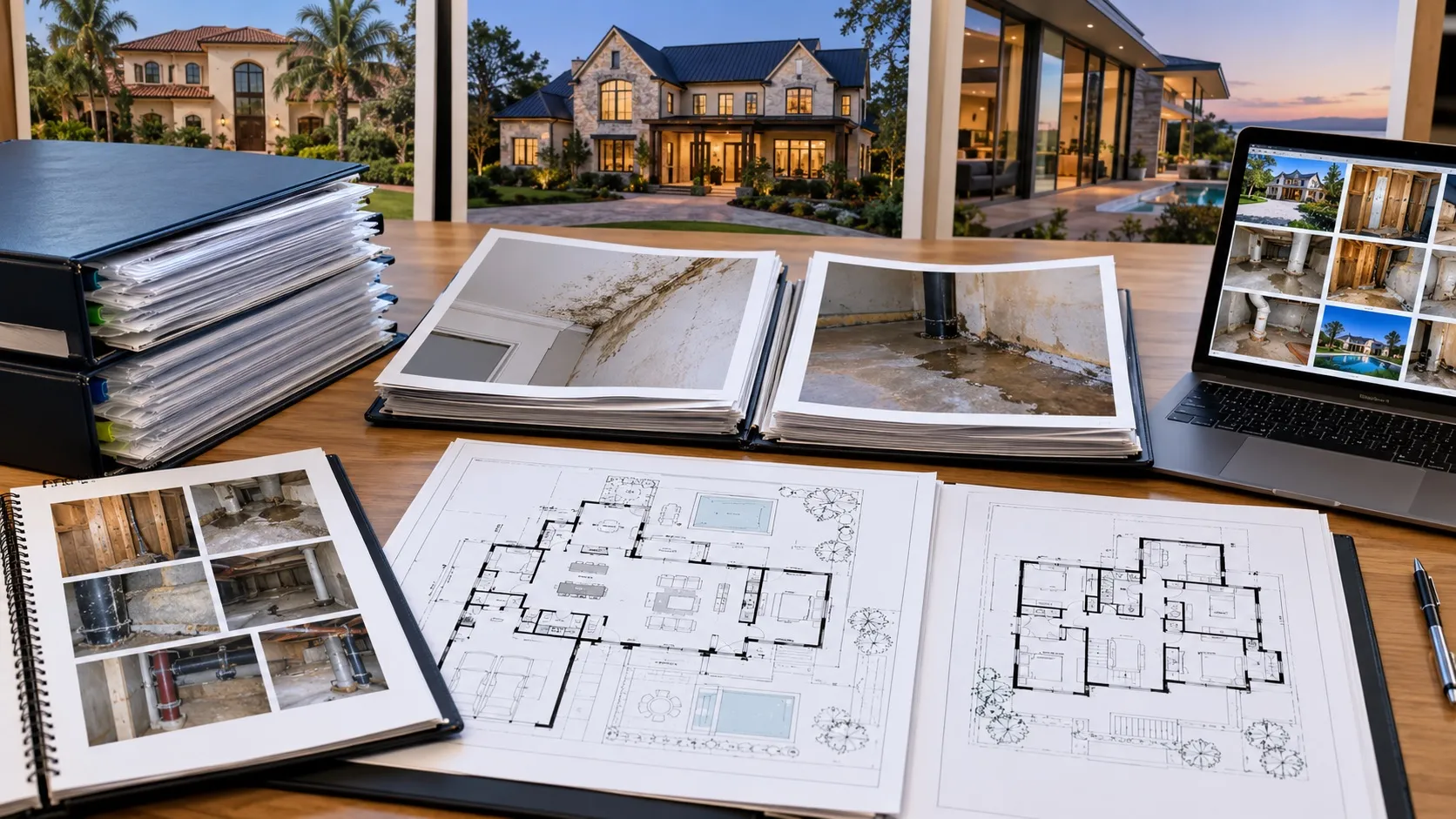
Create one case folder per incident and property. Keep the original report, dated photos, weather or equipment context, attendance log, permission record, sketches, instrument methods, repair invoices, scope changes and close-out report. A spreadsheet overview can track status across homes, but it should link to each case rather than merge unrelated photographs. Give contractors only the files and access relevant to their work. Security plans, staff rosters, travel dates, private guest details and collection values do not belong in a routine moisture report. If photos include personal items, crop or redact them before broader circulation where appropriate and preserve the original securely under the owner's policy.
Record observations separately from interpretations. “Brown mark at 1.2 m from floor on east wall, photographed 18 October” is an observation. “Likely caused by exterior rainwater entering through facade joint” is an inference until verified. A repair note should state what was done; a remediation note should state material scope and precautions; a close-out note should state remaining limitations. The EPA remediation checklist can prompt managers to ask whether the water source was addressed and whether visible contamination and odor remain. It is not a certificate that every hidden void across a private estate is free of mold. A documented limitation is more trustworthy than an invented certainty.
Air-sampling proposals deserve a decision question: What hypothesis will the sample test, where and when will it be taken, and how will the result alter repair or room-use decisions? CDC/NIOSH explains limitations of routine air sampling and the value of visual assessment, odor and moisture evidence. A single number cannot establish that an entire high-value home is safe, identify a concealed leak or settle individual health concerns. If sampling is justified for a defined technical purpose, interpret it with the site investigation and appropriate expert. Do not use a “pass” figure as a substitute for stopping water.
The overview dashboard can use plain status words: reported, safety hold, source investigation, repair approved, source repaired, affected materials assessed, remediation under way, reinspection, monitoring, closed with limitations. Each transition should have a dated evidence link and decision maker. A case should not be marked “closed” solely because a contractor sent a cleaning photo. One residence may remain under monitoring after rain while another can be reopened. The owner needs to see that difference, not a uniform green icon. If the same symptom returns, the case history lets the next professional compare location, season, repairs and new evidence rather than repeating the first visit from scratch.
4. Close each case honestly and build a preventive portfolio rhythm

Close-out should answer: Was the immediate hazard resolved? What water route was confirmed and repaired? Which building materials were inspected, cleaned, dried, removed or replaced? What observations support return to use? Which areas could not be inspected? What condition would trigger renewed investigation? Who will monitor after the next rain or cooling cycle? If a valuable object was affected, attach only the authorized conservator's separate conclusions; do not merge object restoration into a building contractor's sign-off. A cautious report may conclude that the defined room can return to planned use while noting an uninspected adjacent cavity. The owner can then decide whether the remaining uncertainty is acceptable or further work is needed.
Preventive management can be scheduled without inventing a guarantee. Before rainy periods and long absences, confirm roofs, gutters, terrace drains, plumbing alarms, HVAC condensate and vulnerable exterior details are inspected under the property's maintenance plan. During absence, maintain an agreed caretaker check and dated photo route for previously affected locations. After major rain or system shutdown, inspect known risk points promptly and compare with baseline photos. The purpose is early detection; a routine checklist cannot eliminate all hidden water events. When a property changes hands or a new manager is appointed, transfer the incident log and open limitations, not just a list of past invoices.
FAQ: Can one contractor use the same treatment at all three residences? No. Similar symptoms may have different water causes, materials and safety conditions. Use a common decision workflow but a property-specific technical scope.
FAQ: Can housekeeping remove a small dark spot before photos? Photograph and report first. A small surface mark may be harmless staining or a sign of deeper dampness; cleaning without source control can erase useful evidence. Follow appropriate safety guidance and the property manager's instructions.
FAQ: Does an air test decide whether a room is safe for every visitor? No. Testing is limited and does not replace moisture investigation or medical advice for individual health questions.
FAQ: What if a contractor says the source is unknown? Ask what was inspected, what was inaccessible, which hypotheses remain and what next observation or test would distinguish them. Do not label the case closed.
FAQ: Can the estate manager promise a mold-free home? No. A manager can document specific inspections, source repairs and follow-up; absolute future absence of mold cannot be guaranteed.
FAQ: How should English and Japanese reports be handled? Agree on one factual source of record, with translated summaries that preserve uncertainty, scope and dates. Do not change “suspected” to “confirmed” in translation.
FAQ: When should Kabi Busters Yokohama be contacted? For a building-side mold and moisture concern that requires professional assessment or remediation advice, especially recurring or concealed issues. Confirm the municipality, availability, access, English-language communication and what source-repair trades must also attend.
For a portfolio case in Tokyo, Kanagawa or Chiba, review Kabi Busters Yokohama's service information and contact the team with a concise English incident summary. Do not send an entire confidential estate portfolio in the first message. A useful opening is: “I manage several residences for an overseas family. One Kanagawa property has a recurring damp wall after rain; a separate Tokyo property has an HVAC-related odor. Can we discuss the building-side assessment scope for each property, the reporting format and coordination with our repair trades?” Active water or safety danger should go to the property's emergency response first.
日本語の要点: 東京・神奈川・千葉に複数の住宅を管理する場合、カビの連絡を一括して「清掃依頼」にしないことが重要です。物件と場所ごとに受付番号を付け、漏水・電気・構造の危険を先に判断します。水分の原因を設備・外装・排水などの担当業者が特定・修理し、必要に応じて建物側のカビ専門業者が影響範囲と対処を検討します。写真、測定条件、未確認箇所、承認した作業を記録し、所有者への英語報告でも「確認済み」と「推定」を分けます。高価な家財や美術品は別の専門家へ相談し、建物全体の無カビや将来の再発ゼロを保証しません。
----------------------------------------------------------------------
カビバスターズ横浜
住所 :
〒221-0056
神奈川県横浜市神奈川区金港町5-14 クアドリフォリオ8階
電話番号 :
0120-133-199
----------------------------------------------------------------------