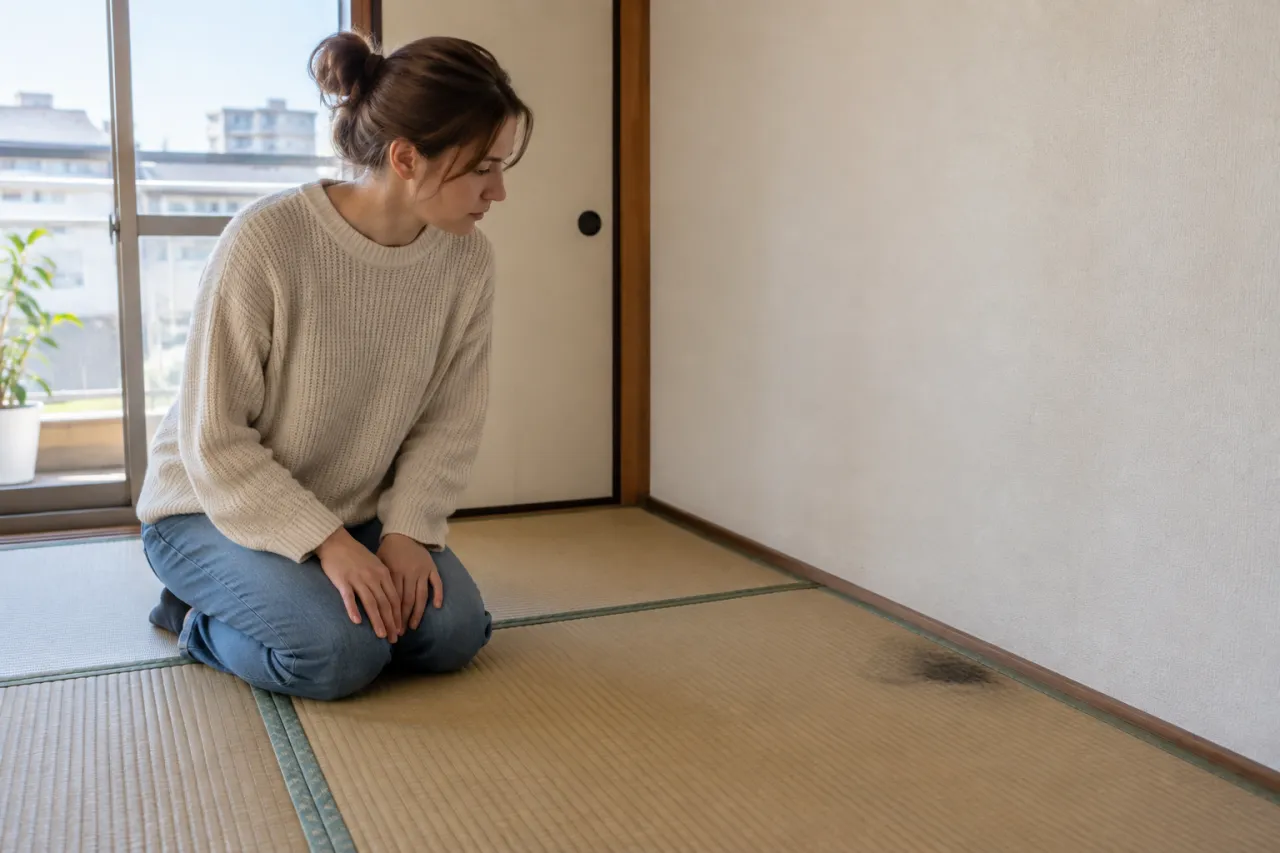
外壁側のクローゼットのカビ相談
2026/10/13
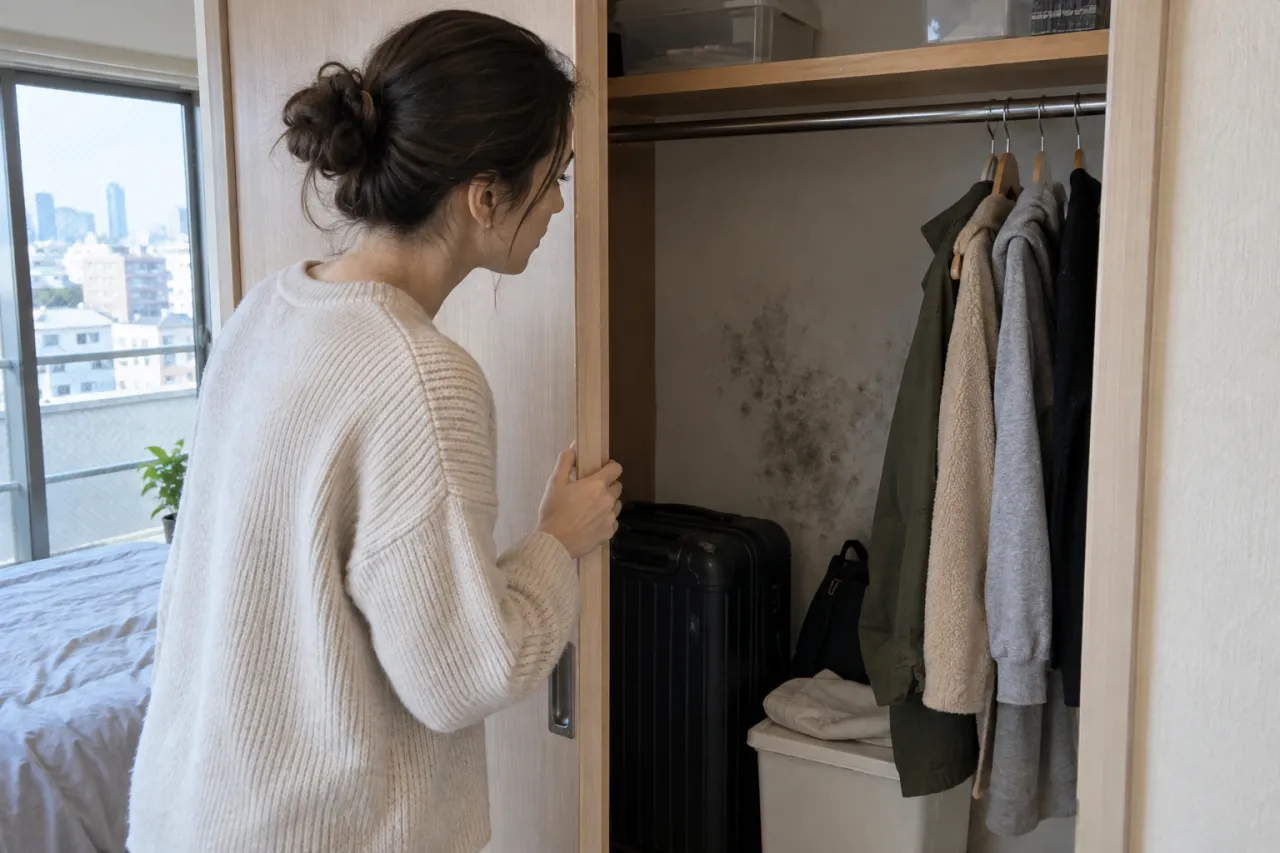
Quick answer. If you open a closet and find a musty smell or dark marks on luggage, clothes or the back wall, pause before spraying everything. Photograph the closet as found, move loose possessions to a dry inspection area without rubbing them against clean items, and check whether the wall or floor is actually wet. Allow safe air circulation and contact the property manager if a rental wall is damp, stained, soft or repeatedly affected. Ask an English-speaking mold specialist about the indoor material and treatment scope after the building’s moisture source and permissions are addressed. This guide focuses on exterior-wall closets in Tokyo, Kanagawa and Chiba, not on window sashes or air-conditioners.
日本語の要点: 外壁側の収納で衣類・スーツケース・壁に臭いや黒ずみを見つけたら、現状の写真を残し、荷物を壁から離して濡れを確認します。壁紙や床まで湿る場合は管理会社へ報告し、必要ならカビバスターズ横浜に英語で相談してください。
1. Why the back of a closet can be the first visible problem
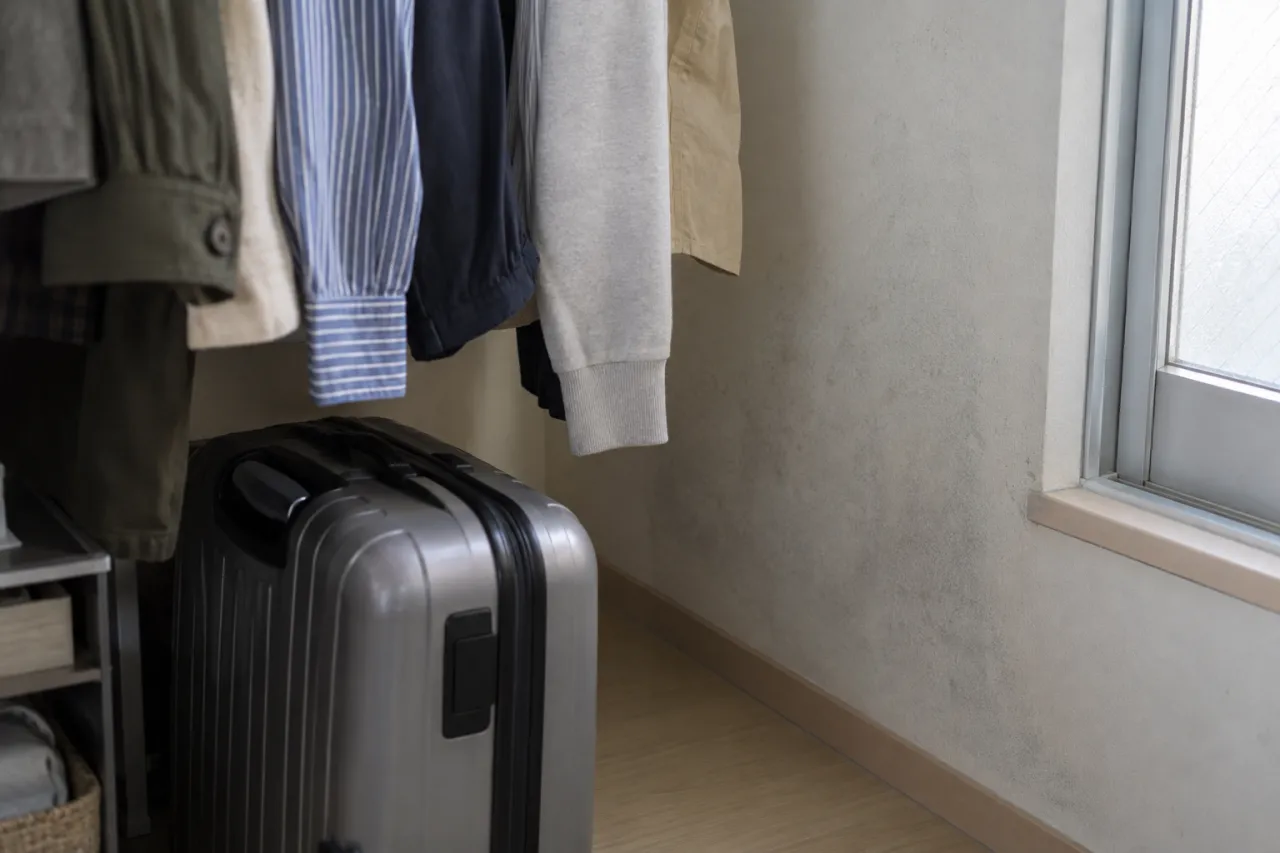
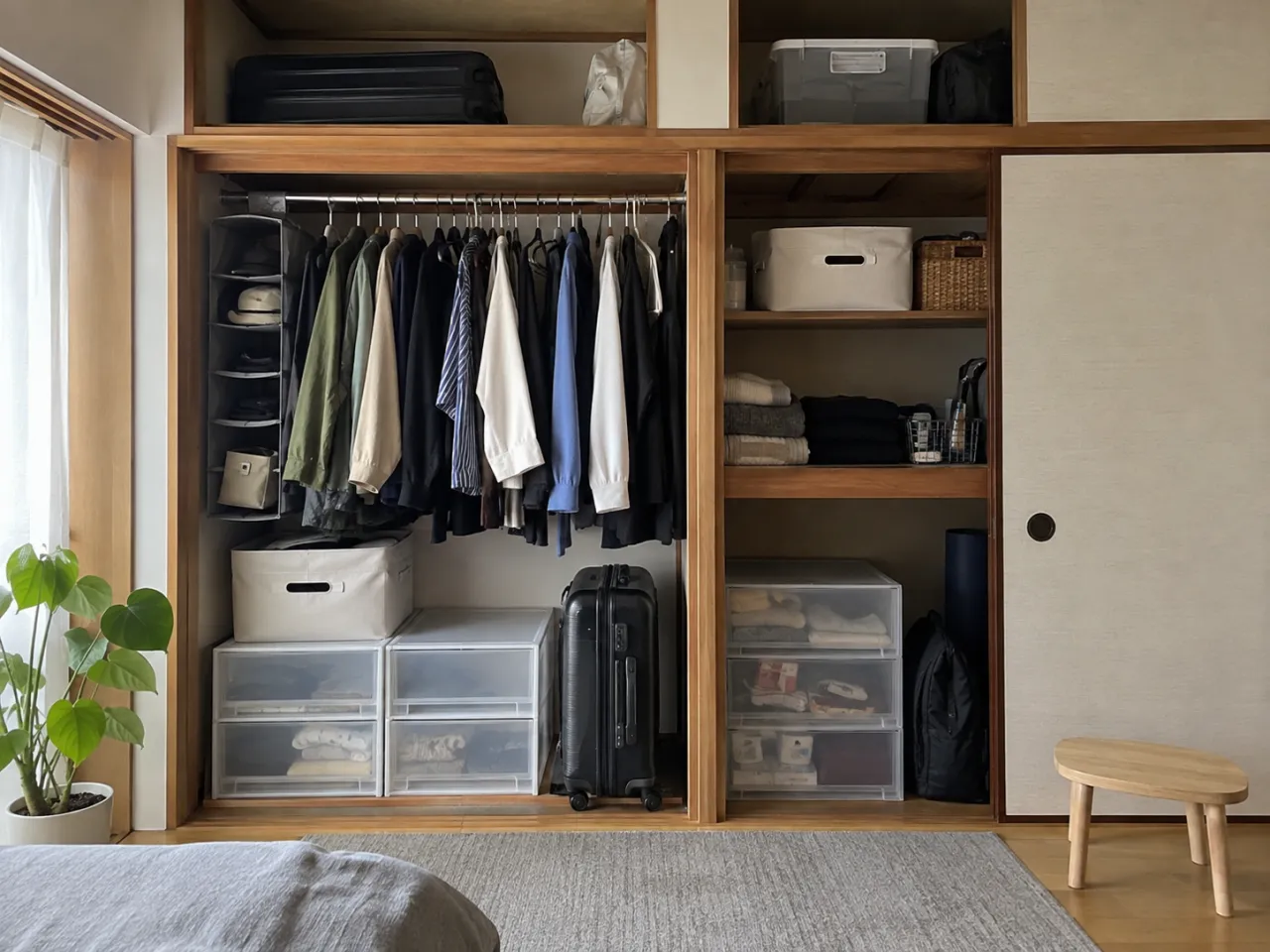
A closet can look tidy from the doorway while the space behind a suitcase remains cool and still. The back may face the exterior of the building. Moist air inside the home can condense on that cooler surface, and tightly packed clothes and luggage can make it difficult for the surface to dry. UR Housing’s English residents’ guide specifically lists closet walls among locations prone to condensation. Rental provider Daiwa House’s English daily-management guide likewise discusses condensation in closets and advises contacting the management office if the cause is unclear or moisture may be inside a wall. These sources describe mechanisms and practical reporting; they cannot diagnose your closet from a photograph.
Start with a location map. Is the affected side the wall facing outside, the wall adjoining a bathroom, or the floor under an appliance line? Is the stain on a removable bag, a leather jacket, cardboard, painted shelf, wallpaper or wood? Does the smell remain when the possessions have been taken out? A mark on one suitcase may be an item-specific condition, whereas a wet wall and multiple affected objects point to a room or building question. Do not automatically infer that a resident caused the problem by overpacking, or that the building is defective because the closet is on an exterior wall. Record the facts first.
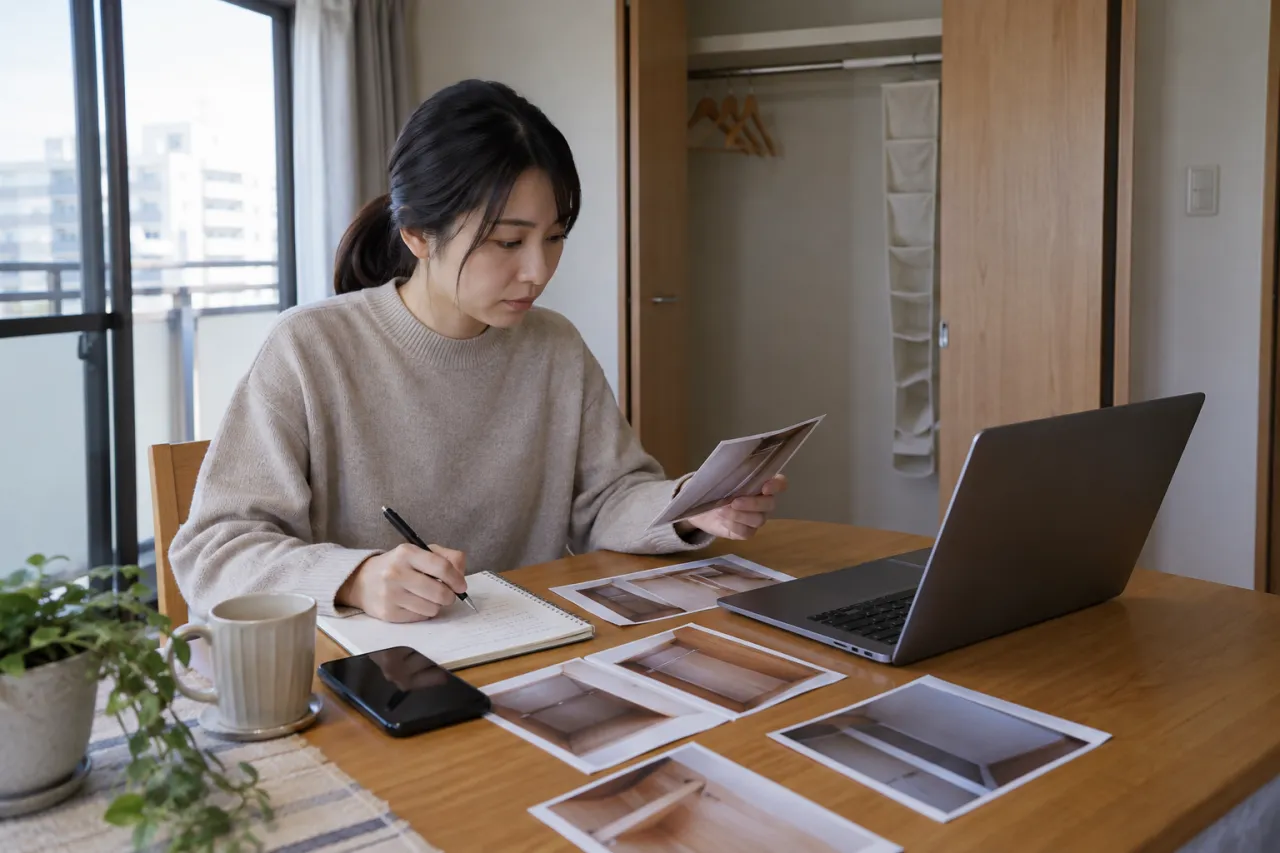
Take a wide photograph before moving anything so the relationship between wall and belongings is visible. Then photograph the wall, corners, floor and each affected item separately. Keep the dates. If fabric is visibly affected, avoid shaking it in a living room; isolate it for appropriate cleaning based on its care label. A valuable leather item or irreplaceable document may need its own conservator or specialist. A mold company’s wall service is not automatically a garment-restoration service. If many objects are wet, if water appears after rain, or if wallpaper is soft, send the manager the evidence promptly.
| Finding | What it may suggest | First step |
|---|---|---|
| One musty suitcase; wall dry | Item may have been packed damp | Isolate item, inspect care instructions, record location |
| Several items and back wall damp | Closet environment or water source needs checking | Move loose items, report wall condition |
| Water stain below a pipe or after rain | Leak cannot be ruled out | Use building repair contact promptly |
| Recurrent wall mark and odor | Visible cleaning may miss a persistent cause | Ask manager about source and specialist assessment |
2. Protect possessions without concealing evidence or damaging the rental
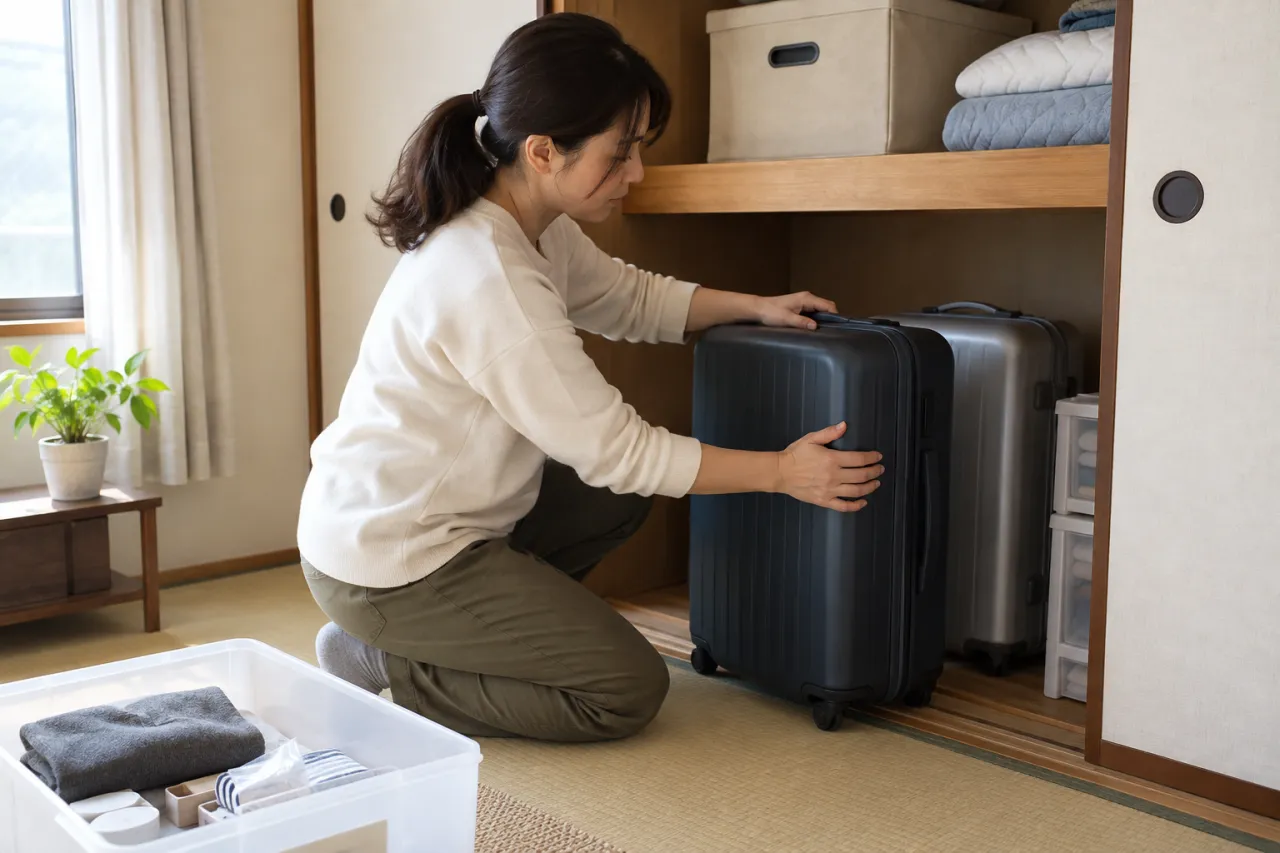
You can take reversible steps while waiting for a response. Move loose items a short distance from the wall so you can see and ventilate the surface. Do not drag a damp bag across clean clothing or place affected items into a sealed plastic box for weeks. Do not stack cardboard against a wet wall. Keep a simple list of the affected objects and where each was stored. If there is active water, protect possessions and follow the building’s emergency instructions. Avoid opening a fixed closet panel or peeling wallpaper without permission.
Tokyo Metropolitan Government’s English indoor-environment guidance recommends leaving space between furniture and walls for airflow. A housing-provider guide may suggest a specific gap, but the exact configuration of a built-in closet differs. The point is not a magic centimeter measurement that guarantees mold cannot occur. It is to avoid completely blocking the surface and to make inspection possible. Do not overload shelves or rails beyond their posted limits while rearranging storage. Where a closet has doors, opening them periodically when safe may help air exchange, but an open door cannot stop rainwater entering the wall.
The washing and treatment method depends on each object. Follow garment labels and manufacturer instructions; do not use chlorine bleach on unknown fabrics, leather or metal fittings. If you have asthma or another health concern, consult a healthcare professional. If an item is heavily affected, professional cleaning or disposal decisions should be made according to its material and value. Avoid articles promising that sunlight, vinegar or a single spray “sterilizes” every suitcase or wall. A porous wall covering can require a different plan from a washable plastic shell.
If the affected surface is rental wallpaper or timber, photograph it before cleaning. Ordinary wiping of accessible water may be sensible, but strong chemicals, sanding, painting over stains or applying a new liner can obscure the condition. The MLIT English move-out restoration guide treats enlarged mold from neglected condensation as a possible tenant-burden example; it also distinguishes normal wear and other causes. That is a reason to report early and show reasonable care, not a reason to accept blame before a moisture investigation. Ask the manager what cleaning is approved.
3. Tell the manager about the wall, then ask a mold-specific question
The manager controls access to building repairs and permission to alter the closet. Send a factual message: “I found a musty smell and dark spots in the bedroom closet on [date]. The back wall faces [outside / bathroom / unknown]. [Wall is damp / wall feels dry / water source unknown]. Three stored items are affected; photos show the closet before and after moving my belongings. Please advise whether the wall and any water source can be inspected and what cleaning is permitted.” This gives the manager a useful starting point without a diagnosis or accusation. Include your unit and a safe contact time. Ask for a written reply and keep it with the photos.
If the wall is dry but musty odor remains, or if marks recur after an approved surface clean, a mold assessment may help define the affected material and the treatment scope. If a leak is active, repair and drying come first. Kabibusters Yokohama’s service page explains its mold-related consultation. The team can respond in English; state your city in Tokyo, Kanagawa or Chiba and ask whether the specific address and rental situation can be supported. Their contact form accepts a description and optional photographs. Do not assume a guaranteed visit, fixed price or a decision about deposit liability.
An appropriate specialist question is narrow: “The closet’s exterior wall was damp and two suitcases developed marks. Management has been told and is checking the wall. Can you advise whether an indoor mold assessment would be helpful after the moisture source is addressed, and what surfaces you can assess without removing landlord-owned materials?” If you need advice only about garment care, ask a textile specialist instead. If you need a water-intrusion repair, use the manager and appropriate building contractor. Separating those roles avoids paying for a surface treatment while a wall still receives water.
For an international household, the terms “closet” and “oshiire” may refer to different storage designs. Name the actual location in plain English and add a wide photograph. Also mention whether the building has 24-hour ventilation and whether the inlet is blocked; our English ventilation guide explains the system but does not diagnose an individual closet. If a neighboring bathroom or roof is involved, describe that location rather than guessing the cause. Good evidence makes an English inquiry easier for both a manager and a specialist to assess.
4. FAQ and a decision checklist for clothes and luggage
Can I just put a dehumidifier in the closet? A suitable product may reduce air moisture if used safely, but it cannot repair a leak or guarantee a wall is dry. Follow the product instructions and check the wall again. Do not run electrical equipment next to active water.
Is a black suitcase stain proof the wall has mold? No. The item may have been damp before storage, or the closet may be wet. Inspect both, record where they touched, and ask for an assessment if wall damage or recurrence is present.
Should I throw away all clothes? Not automatically. Separate visibly affected items, follow care labels, and consider a textile professional for valuable or delicate goods. If several clean items repeatedly become affected in the same place, investigate the storage environment.
May I remove the closet backing panel? Do not dismantle landlord-owned fittings without permission. Send photos of the accessible condition and ask the manager for an inspection. Opening a wall can disturb materials and complicate repair evidence.
Who pays if I move out? This article cannot decide. The lease, cause, time course and maintenance records matter. MLIT’s general examples do not settle a specific case. Keep early reports and request an itemized explanation if costs are proposed.
When should I contact Kabibusters Yokohama? If wall staining or odor persists, multiple surfaces are involved, or you need a mold-scope assessment after the building side addresses moisture. Provide photos, location, affected materials, manager status and preferred English contact times via the inquiry form.
Before you send a message, list the room, wall orientation if known, affected objects, dates, visible wetness, ventilation status, and any rain or leak pattern. Photograph the closet before and after moving loose items. A clear record and early manager contact serve renters in Tokyo, Kanagawa and Chiba alike. If there is active dripping or water near electricity, use the building emergency route first. For the mold condition itself, ask Kabibusters Yokohama about an English consultation after the rental repair and permissions are understood.
Primary sources: UR Housing’s English residents’ guide, Daiwa House Rentals’ English daily-management advice, Tokyo’s English indoor-environment advice, and MLIT’s English restoration guide. General guidance is not a property inspection or legal decision.
----------------------------------------------------------------------
カビバスターズ横浜
住所 :
〒221-0056
神奈川県横浜市神奈川区金港町5-14 クアドリフォリオ8階
電話番号 :
0120-133-199
----------------------------------------------------------------------